From First Purchase to Loyal Customer: A Practical Retail Engagement Plan

A customer’s first purchase is an important milestone, but it should not be the end of the relationship.

For retailers, every transaction creates an opportunity to build familiarity, understand customer preferences, and encourage future engagement. However, turning a first-time buyer into a loyal customer requires more than offering occasional discounts.

It takes a consistent approach that considers the customer’s experience before, during, and after a purchase.

Here is a practical retail engagement plan that businesses can use to strengthen customer relationships at every stage.

1. Create a Positive First Impression

The customer journey begins before the first transaction. Customers may discover your store through social media, recommendations, advertisements, or simply by walking past your location.

Once they arrive, the experience should make it easy for them to explore your products and understand what your business offers.

Retailers can create a positive first impression by:

  • Providing clear product information and pricing.
  • Making the shopping environment welcoming and easy to navigate.
  • Offering helpful assistance without overwhelming customers.
  • Ensuring that the purchasing process is convenient.

A positive first experience gives customers a reason to consider returning.

2. Make the First Purchase More Meaningful

The first transaction is an opportunity to introduce customers to your brand beyond the product they purchased.

Depending on your business model, you can invite customers to join a loyalty program, explain available membership benefits, or introduce ways to stay connected with your business.

Keep the process simple. Customers should understand what they are signing up for and what benefits they can expect.

Avoid making registration feel like an unnecessary requirement for completing a purchase.

3. Stay Connected After the Transaction

Customer engagement should not stop when a customer leaves the store.

Appropriate follow-up communication can help maintain the relationship and keep your business relevant. This might include:

  • Thank-you messages after a purchase.
  • Updates about relevant products or services.
  • Information about available rewards.
  • Invitations to upcoming events or activities.
  • Customer feedback requests.

Choose communication channels that suit your customers and always respect their preferences and consent.

The purpose is to continue providing value, not to send messages simply to remain visible.

4. Encourage the Second Purchase

The next purchase can be an important step toward building a lasting customer relationship.

Retailers can encourage customers to return by offering relevant recommendations, highlighting complementary products, or providing benefits for continued participation in a loyalty program.

For example, a customer who purchases a skincare product may appreciate information about complementary products or a relevant promotion on a future visit.

The key is to make the next interaction feel useful rather than forced.

5. Recognize and Reward Continued Engagement

As customers continue interacting with your business, look for opportunities to recognize their support.

Loyalty initiatives can help retailers acknowledge repeat purchases and encourage ongoing participation.

Possible approaches include:

  • Points-based rewards.
  • Member-exclusive offers.
  • Milestone incentives.
  • Special benefits for returning customers.
  • Rewards tied to specific customer activities.

Choose a structure that aligns with your business objectives and is easy for customers to understand.

Rewards should feel valuable and achievable. A complicated program may discourage customers from participating.

6. Use Customer Insights to Improve the Experience

A practical engagement strategy should evolve based on customer behavior and feedback.

Retailers can review available information to better understand purchasing patterns, campaign responses, and loyalty program participation.

Consider monitoring indicators such as:

  • Repeat purchase rate: The percentage of customers who make additional purchases.
  • Average purchase frequency: How often customers return within a given period.
  • Reward redemption rate: How frequently customers use the rewards they earn.
  • Customer feedback: What customers appreciate and what they believe could improve.

These insights can help identify opportunities to refine promotions, improve the shopping experience, and make engagement efforts more relevant.

Always handle customer information responsibly and follow applicable privacy requirements.

7. Build Consistency Across Every Touchpoint

Customers may interact with your business through your physical store, website, social media pages, customer service channels, and loyalty program.

These experiences should feel connected.

For example, customers should be able to understand the same program benefits whether they discover them online or ask about them in-store.

Retailers can improve consistency by:

  • Keeping product and promotional information updated.
  • Aligning communication across different channels.
  • Making loyalty program instructions easy to access.
  • Ensuring that staff understand how customer engagement initiatives work.

A consistent experience helps customers interact with your business with greater confidence.

Turn First-Time Buyers into Long-Term Customers

Building customer loyalty is a gradual process. It starts with a positive first impression and continues through convenient transactions, relevant communication, meaningful rewards, and consistent experiences.

Retailers do not need to introduce every engagement initiative at once. Start by identifying the areas where customers experience friction, then make improvements that support their journey.

Digital loyalty and customer engagement solutions can help businesses organize these efforts and create more connected customer experiences, depending on the available features and configuration.

Bountiply helps businesses explore digital loyalty and engagement solutions that support stronger customer relationships.

Ready to improve how your business engages with customers? Discover how Bountiply can support your retail engagement goals.

Beyond Promotional Blasts: How to Make SMS More Useful to Customers

SMS marketing gives businesses a direct way to communicate with customers. From announcing promotions to sharing important updates, text messages can deliver information quickly and conveniently.

However, sending frequent promotional messages does not automatically create better engagement. Customers are more likely to appreciate SMS communication when the messages are relevant, timely, and genuinely useful.

For businesses looking to make the most of this channel, the focus should be on delivering value rather than simply increasing the number of messages sent.

Here are six ways to make your SMS marketing more effective and customer-focused.

1. Give Every Message a Clear Purpose

Before sending a text message, identify what you want the customer to know or do.

Are you announcing a new promotion? Reminding customers about an upcoming event? Sharing an important update about a loyalty program?

Every message should have a specific purpose. Avoid sending texts simply because you have an available messaging channel.

When the reason for the message is clear, customers can better understand its value.

2. Make Messages Relevant to Your Audience

Not every offer or announcement will interest every customer.

Whenever possible, organize your audience based on relevant information such as purchase history, program participation, or stated preferences. This can help businesses send messages that are more aligned with customer interests.

For example, a customer who regularly purchases from a particular product category may find a related offer more useful than a general promotion.

The goal is to make communication feel relevant instead of repetitive.

3. Choose the Right Timing

Even a useful message can become inconvenient when it arrives at the wrong time.

Consider your customers’ routines, the purpose of your message, and the timing of your campaign. A promotional announcement, appointment reminder, and limited-time offer may each require a different communication schedule.

Avoid sending messages too frequently. Give customers enough time between communications and respect applicable quiet-hour requirements.

Thoughtful timing helps make SMS a more considerate communication channel.

4. Keep Messages Short and Easy to Understand

Customers should not have to read a lengthy message to understand its purpose.

Use straightforward language and include the most important information first. If you are promoting an offer, explain what it is, when it is available, and how customers can participate.

A useful SMS message generally includes:

  • A recognizable business or brand name.
  • A clear and relevant message.
  • Important details or conditions.
  • A simple next step, when applicable.

If a message includes a link, make sure it leads to a relevant and accessible page.

5. Respect Customer Consent and Preferences

Direct communication requires responsibility.

Businesses should obtain the appropriate consent before sending marketing messages and follow applicable privacy and messaging regulations. Customers should also have a clear way to manage their communication preferences or opt out.

Respecting these choices helps maintain trust and ensures that your SMS campaigns are built around customer expectations.

Remember that permission to send one type of communication does not necessarily mean permission to send every type of marketing message.

6. Measure Performance and Improve Your Approach

SMS campaigns should be evaluated based on how customers respond, not simply how many messages are delivered.

Depending on the tools and reporting available, consider reviewing:

  • Delivery rate: How many messages successfully reach their intended recipients.
  • Click-through rate: How many recipients interact with links included in the message.
  • Conversion rate: How many recipients complete the intended action.
  • Opt-out rate: How many customers choose to stop receiving messages.

Use these insights to identify which messages are useful, which campaigns need improvement, and whether your communication frequency is appropriate.

Avoid focusing on one metric alone. Consider the overall customer experience when evaluating campaign performance.

Make Every Message Worth Reading

Effective SMS marketing is not about sending more messages. It is about making each communication count.

By setting clear objectives, delivering relevant information, choosing appropriate timing, keeping messages concise, respecting customer preferences, and reviewing campaign performance, businesses can create more thoughtful communication experiences.

Digital engagement solutions can help businesses organize customer interactions and support more consistent communication, depending on their available features and configuration.

Bountiply helps businesses explore digital loyalty and customer engagement solutions that can support their customer communication and engagement goals.

Looking to make your customer engagement efforts more meaningful? Explore how Bountiply can support your business.

Beyond Discounts: 6 Ways to Give Customers Reason to Return

Discounts can encourage customers to make a purchase, but lasting loyalty takes more than lower prices. Customers are more likely to return when they have a positive experience, understand the value of your rewards, and feel that a business recognizes their needs.

For businesses looking to strengthen customer relationships, the goal is to make every interaction worthwhile, from the first purchase to the next.

Here are six practical ways to encourage repeat purchases and build stronger customer relationships.

1. Make the Value Clear

Customers should understand what they gain from participating in your loyalty program. Whether you offer points, exclusive perks, or special rewards, explain how the program works and what customers need to do to benefit.

Avoid complicated mechanics or unclear redemption requirements. When customers can easily understand the value, they have a clearer reason to participate and return.

2. Make Participation Easy

A loyalty program should fit naturally into the customer experience. Complicated registration processes, confusing instructions, or difficult reward redemption can discourage participation.

Consider how customers interact with your business at every stage. Depending on your setup, digital tools such as QR-based earning, digital membership access, and streamlined reward tracking can help make participation more convenient.

The easier it is to engage with your program, the less effort customers need to invest to enjoy its benefits.

3. Recognize Repeat Behavior

Customer loyalty develops over time. Recognizing repeat purchases and continued participation can help customers feel appreciated.

Consider rewards that reflect different levels of engagement, such as milestone rewards, member-exclusive benefits, or incentives for returning customers. The right approach will depend on your business model, customer preferences, and available resources.

The objective is not simply to encourage another transaction. It is to show customers that their continued support matters.

4. Communicate with Purpose

Regular communication can keep customers informed about relevant offers, new products, and available rewards. However, sending too many messages or sharing information that does not match customer interests may lead to disengagement.

Make each message useful. Highlight rewards customers can actually claim, explain important program updates, and tailor communications to relevant customer preferences where possible.

Always respect communication preferences, consent requirements, and opt-out requests.

5. Learn from Customer Activity

Customer engagement efforts become more useful when businesses review what is working and what needs improvement.

Depending on the information available, consider tracking metrics such as:

  • Repeat purchase rate: How often customers return to buy again.
  • Reward redemption rate: How frequently customers use the rewards they earn.
  • Program participation: How actively customers engage with your loyalty initiatives.
  • Campaign response: How customers respond to specific promotions or communications.

Reviewing these indicators can help you identify opportunities to improve your offers, simplify participation, and make future campaigns more relevant.

Remember to interpret these metrics in context. A single number rarely tells the whole story of customer loyalty.

6. Keep Improving the Experience

Customer expectations can change, so loyalty strategies should evolve with them. Gather feedback, review customer activity, and identify friction points that may prevent customers from participating or returning.

Small improvements can make a meaningful difference. These might include clearer reward instructions, more convenient redemption options, better-timed communications, or benefits that align more closely with customer needs.

Rather than relying on a single campaign, focus on building a consistent experience that gives customers reasons to stay engaged.

Build Loyalty Beyond the Next Transaction

Discounts can support short-term promotions, but sustainable customer relationships require a more thoughtful approach. Clear rewards, convenient participation, meaningful recognition, relevant communication, and ongoing improvement can all contribute to stronger customer retention.

Digital loyalty and engagement tools can help businesses manage these efforts, depending on the features available and how they are configured.

Bountiply helps businesses explore digital loyalty and customer engagement solutions that support their business goals.

Ready to strengthen your customer engagement strategy?

Explore how Bountiply can support your business goals.

Bountiply Joins ElevateA 2025: Powering Smarter Loyalty for B2BC Brands

We’re excited to share a major milestone—Bountiply has been accepted into the ElevateA 2025 Pre-Accelerator Program, powered by Lair East Labs, in partnership with National ACE and backed by the U.S. Economic Development Administration. This is a powerful validation of our mission to help manufacturers and distributors strengthen loyalty and drive long-term growth.

Loyalty Reimagined for the B2BC Model

In today’s fast-changing landscape, especially in manufacturing and distribution, staying ahead means more than just landing new customers. It’s about keeping existing ones engaged, valued, and coming back. That’s where Bountiply delivers.

Bountiply is a purpose-built, enterprise-grade loyalty and rewards platform designed specifically for B2BC (business-to-business-to-consumer) ecosystems. Whether you’re a manufacturer managing channel partners or a distributor working to boost reseller performance, Bountiply helps you turn transactions into relationships.

What Makes Bountiply Different?

🚀 Smart Personalization with AI
Harness the power of machine learning to tailor rewards and incentives based on real-time buying behavior—making each interaction more relevant and impactful.

🔗 Easy Integration
No need to start from scratch. Bountiply fits seamlessly into your current CRM, ERP, or POS systems, making adoption smooth and scalable.

📈 Actionable Data at Your Fingertips
From dealer engagement to channel ROI, our real-time dashboards give you the visibility you need to optimize loyalty strategies.

🎯 Built for Flexibility
Design the right incentive structure—from tiered rewards and seasonal promos to multi-level loyalty programs—fully tailored to your sales model.

Built for Manufacturers, Distributors, and Franchise Networks

Bountiply is engineered for companies who want to build deeper loyalty throughout their entire sales pipeline:

  • Manufacturers looking to create direct connections with end-users or motivate resellers.
  • Distributors who want to improve channel performance with tailored incentive programs.
  • Franchise networks seeking to offer consistent, branded loyalty experiences across multiple locations.

With Bountiply, loyalty is more than just rewards—it’s your engine for sustainable growth.

ElevateA Recognition: What It Means

Our selection for the ElevateA 2025 Pre-Accelerator underscores our potential to scale and make real impact. The program supports high-potential tech ventures founded by underrepresented entrepreneurs and equips them with mentorship, resources, and connections that accelerate growth.

For us, it’s more than a badge—it’s momentum.

Let’s Talk About What Loyalty Could Look Like for You

If you’re a manufacturer or distributor ready to get more from your loyalty program—or if you’re starting from scratch—we’d love to show you what Bountiply can do.

👉 Book a personalized demo
👉 Explore more at www.bountiply.com

Getting Started With Bountiply

Managing Loyalty and Rewards program for your business would require a lot of effort and manpower, but technology made it easier. And building an app from scratch for your brand may be extra expensive, that’s why Bountiply is here for you!

Tell us the basics, and we’ll make it tailored-fit to your brand


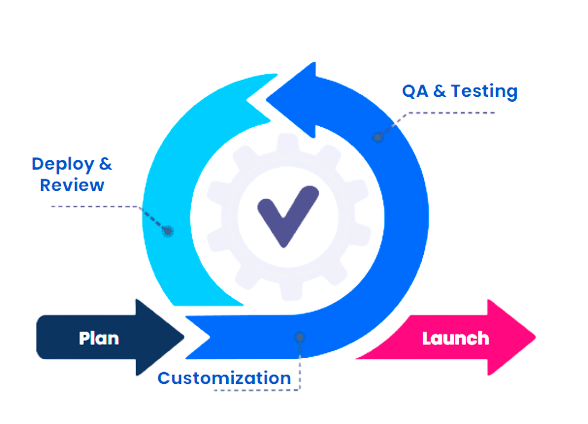
1. Talk to us. Your vision will be our vision, understanding your plan and preferences will be our top priority. We are open to talk about your goal on starting your own automated loyalty program and give advice on what would best fit for you and your business.

Talk to us

2. Gives us the basics. Businesses has their own colors and faces, fonts and tone of voice as such having these elements is the key to design and set up your very own loyalty app.

UI/UX

3. Customization Sprint. Part of customization are the functionalities that you want to add that’s specific for your business. And once the sprint is done we are good to go and launch your Loyalty and Reward App.

Agile